The first week with your new puppy is when routines begin to form. During this time, your puppy is learning about their new home, their new family, and what daily life will look like going forward.
Consistency during this first week makes a big difference. Puppies thrive when they have structure, predictable routines, and clear guidance from their owners.
While every puppy adjusts at their own pace, most puppies begin settling in very quickly once they feel safe and understand what is expected of them.
Here are some things to focus on during your puppy’s first week at home.
Establish a Daily Routine
Dogs are creatures of habit, and puppies learn fastest when their day follows a predictable schedule.
Try to keep feeding times, potty breaks, playtime, and bedtime consistent each day. When a puppy knows what to expect, it helps them feel more comfortable and confident in their new environment.
A typical routine might include:
Morning potty break
Breakfast
Playtime and interaction
Nap time
Potty break after waking
Afternoon feeding
Evening playtime
Final potty break before bed
This structure helps your puppy learn when it is time to eat, play, and rest.
Continue Potty Training
Potty training should continue immediately during the first week.
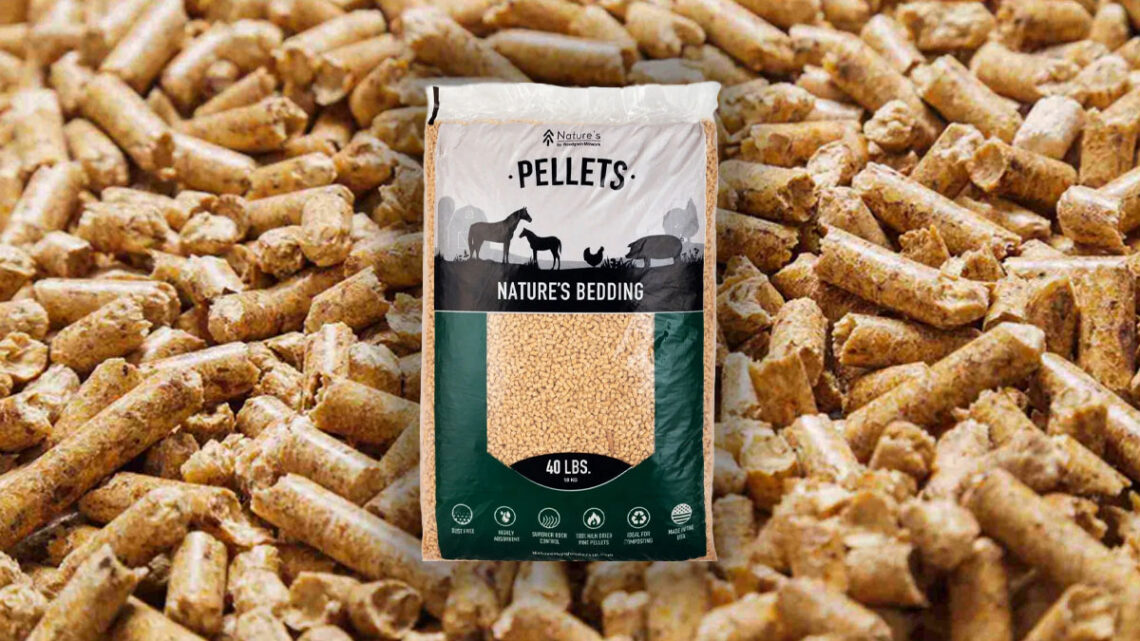
Our puppies are introduced to pellet training before leaving Monster Bully Kennels, so continuing this method will make the process much easier.
Bring your puppy to their potty area:
After waking up
After eating
After drinking
After playtime
Before going to sleep
Young puppies have very small bladders, so frequent potty breaks are normal.
Consistency and patience will help your puppy learn quickly.
Focus on Positive Experiences
The first week is a great time to start gently introducing your puppy to the world around them.
Let them experience normal household sounds, different surfaces in your home, and interactions with family members.
Keep these experiences calm and positive. The goal is to build confidence and help your puppy learn that new things are not something to be afraid of.
Avoid overwhelming your puppy with too many new situations at once.
Begin Basic Training
Your puppy is already capable of learning simple things during the first week.
You can begin working on:
Their name
Coming when called
Basic leash exposure
Gentle handling of paws, ears, and body
Training at this age should be very simple and positive. Short sessions of just a few minutes are more than enough.
The goal is not perfection, but helping your puppy begin learning how to interact with you.
Expect Some Chewing and Biting
Puppies explore the world with their mouths. Chewing and playful biting are completely normal behaviors during this stage.
Make sure your puppy has appropriate chew toys available and redirect them if they begin chewing on something they should not.
Avoid harsh corrections. Instead, calmly guide them toward acceptable toys and behaviors.
Monitor Eating and Energy Levels
By the end of the first week, your puppy should be eating regularly and becoming more comfortable in their new home.
Healthy puppies are typically playful, curious, and energetic during their awake periods.
If you notice a significant loss of appetite, extreme lethargy, or digestive issues, contacting your veterinarian is always a good idea.
Building a Bond With Your Puppy
The first week is also when the bond between you and your puppy begins to grow.
Spending time with your puppy, interacting with them, and providing consistent care helps them understand that you are their new family and source of safety.
This trust forms the foundation for everything that follows as your puppy grows.
Enjoy the Experience
Puppies grow incredibly fast. The early weeks may sometimes feel challenging, but they are also one of the most rewarding stages of dog ownership.
With patience, structure, and care, your puppy will quickly become a confident and well-adjusted member of your family.
And remember, if you ever have questions, the team at Monster Bully Kennels is always here to help.